A good ab workout is about more than trying to feel a burn in the muscles at the front of your stomach. Your core includes muscles around your abdomen, sides, back, and pelvis that help keep your torso controlled during exercise and everyday movement.
You also do not need dozens of exercises to start building core strength. Planks, dead bugs, reverse crunches, and bird dogs can give beginners a practical foundation. Start with movements you can control, focus on good technique, and gradually increase the challenge as you become stronger.
What Muscles Make Up Your Core?
Your core includes more than the muscles you can see at the front of your stomach. Several muscles around your abdomen, sides, back, and pelvis work together to help control and stabilize your trunk.
The rectus abdominis runs along the front of your abdomen and is the muscle most commonly associated with visible abs. It helps move your trunk and works alongside the rest of your core during many exercises.
Your internal and external obliques are located along the sides of your abdomen. These muscles contribute to rotation and side bending while also helping you maintain control through your torso.
Deeper muscles such as the transversus abdominis also play an important role. These muscles help support and stabilize your midsection as you move, even though they are not the muscles people usually picture when they think about abs.
That is why an effective ab workout should involve more than exercises for the visible muscles at the front of your stomach. Some movements train your abdominal muscles directly, while others challenge you to keep your torso stable as the rest of your body moves.
Training your core in different ways gives you a more balanced approach to building strength and control.
What Are the Best Exercises for Abs?
The best exercises for abs challenge your core in different ways while still allowing you to maintain good control. Instead of depending on one movement, a balanced ab workout can include exercises for stability, controlled trunk movement, and coordination.
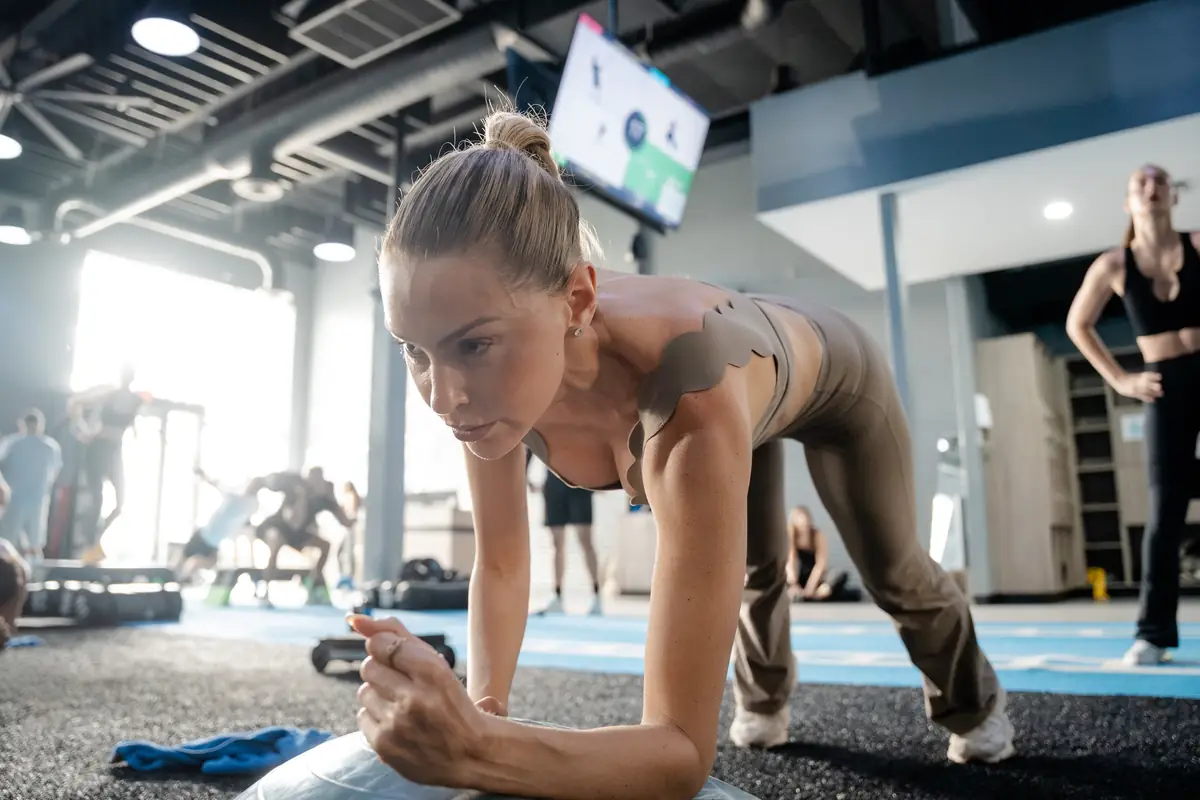
Planks challenge you to maintain a stable body position. The goal is to keep your torso controlled while your core supports the position. Beginners can make the exercise more manageable by adjusting the support position or shortening the hold.
Dead bugs require you to keep your trunk stable while moving your arms and legs. Move slowly and focus on maintaining control through your midsection rather than rushing through the repetitions.
Reverse crunches create more direct movement through the abdominal area. Bring your pelvis toward your rib cage with control and return slowly to the starting position instead of using momentum.
Bird dogs challenge stability and coordination from a hands and knees position. Beginners can start by moving one arm or one leg at a time before progressing to the opposite arm and leg together.
Mountain climbers add a more dynamic challenge by combining a plank position with alternating knee movement. Because they require more control and coordination, they may be better suited as a progression after you become comfortable with simpler stability exercises.
These exercises work well together because they ask your core to do different jobs. A plank emphasizes stability, dead bugs and bird dogs challenge control while your limbs move, and reverse crunches add controlled abdominal movement.
What Is the Best Ab Workout for Beginners?
A beginner ab workout can be simple and still challenge your core effectively. The goal is to choose a few purposeful movements and perform them with enough control that you can build from them over time.
Plank
2 to 3 sets
Hold for a comfortable amount of time
Dead bug
2 to 3 sets
6 to 10 repetitions on each side
Reverse crunch
2 to 3 sets
8 to 12 repetitions
Bird dog
2 to 3 sets
6 to 10 repetitions on each side
This combination gives you a mix of stability and controlled movement. Planks challenge you to maintain position, while dead bugs and bird dogs require you to control your torso as your arms and legs move. Reverse crunches add a more direct abdominal exercise.
Your starting point should match your current ability. If you cannot maintain control, choose an easier variation, complete fewer repetitions, or shorten the amount of time you hold the position.
There is no benefit in forcing yourself through a version of an exercise that is too difficult. A routine you can perform consistently gives you a better foundation for progression.
As the exercises become more manageable, you can gradually add repetitions, hold a position longer, or move to a more challenging variation.
How Many Sets and Reps Should You Do for Abs?
For many beginners, 2 to 3 sets of 8 to 12 controlled repetitions can provide a practical starting point for several ab exercises. Your exact amount can vary depending on the movement, your experience, and how challenging the exercise feels.
You also do not need to start with three sets. If you are new to core training, beginning with one set can give you time to learn the movement and focus on technique. Additional sets can come later as the exercises become more familiar.
Not every exercise should be measured the same way. Reverse crunches can be counted in repetitions, while dead bugs and bird dogs can use repetitions on each side. For planks, focus on how long you can maintain a strong position rather than trying to reach a specific number.
Your technique should help determine when the set ends. If you begin using momentum or losing control just to finish the planned repetitions, stopping earlier or choosing an easier variation may be the better option.
As you improve, you can gradually add repetitions, increase your hold time, use a more difficult variation, or introduce resistance when appropriate.
The goal is not to collect as many repetitions as possible. Your ab workout should challenge your core while still allowing you to perform each movement with purpose.
How Often Should You Do an Ab Workout?
For many beginners, training the core two to three times per week can provide a practical starting point. You do not need a separate ab workout every day to build strength.
Your core muscles still need recovery after challenging training. If your workout includes difficult variations or added resistance, giving yourself time before another demanding core session can help you return with better control and effort.
You also do not need a dedicated ab day. Core exercises can fit naturally into a full body strength workout, which makes them easier to include consistently.
Your core is also working during many exercises that are not specifically labeled as ab exercises. Squats, presses, rows, lunges, and other strength movements require you to control your torso.
That is why training your abs more often does not automatically lead to better results. Exercise quality, difficulty, recovery, and progression all play a role.
A schedule you can follow consistently is more useful than trying to train your core every day simply because more sounds better.
Are Crunches Enough to Strengthen Your Abs?
Crunches can strengthen your abdominal muscles, but they should not be the only exercise in your ab workout.
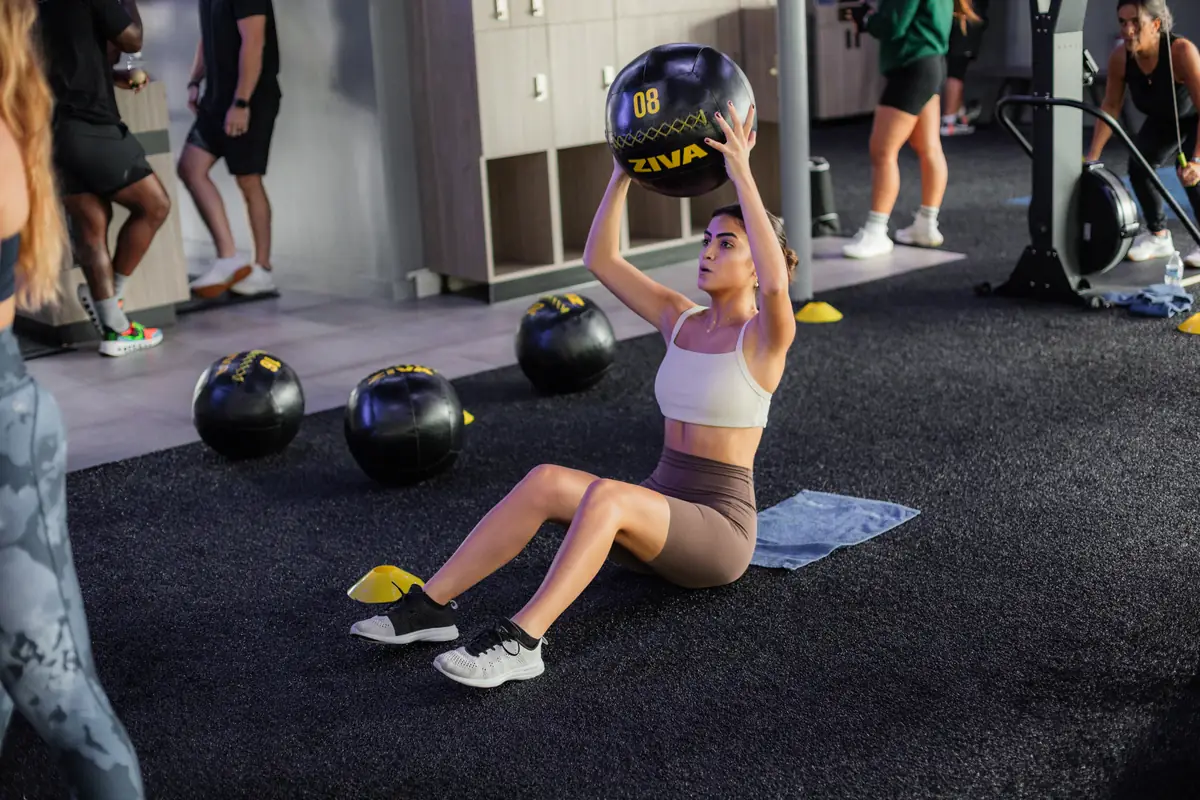
A traditional crunch challenges the muscles at the front of your abdomen through controlled trunk movement. When performed with good technique, it can be a useful exercise for your routine.
The limitation is that your core has more responsibilities than bending your torso forward. Planks challenge you to maintain stability, while dead bugs and bird dogs require you to keep your torso controlled as your arms and legs move.
Combining these different types of exercises gives your core a wider range of challenges without making your workout unnecessarily complicated.
Technique matters during crunches as well. Completing more repetitions is not automatically better if you begin using momentum or lose control simply to finish the set.
Crunches can absolutely have a place in your routine. They simply work better as one part of a broader approach to core training rather than the entire workout.
How Do You Make an Ab Workout More Challenging?
Your ab workout should gradually become more challenging as your strength and control improve. That does not mean replacing the entire routine every few weeks.
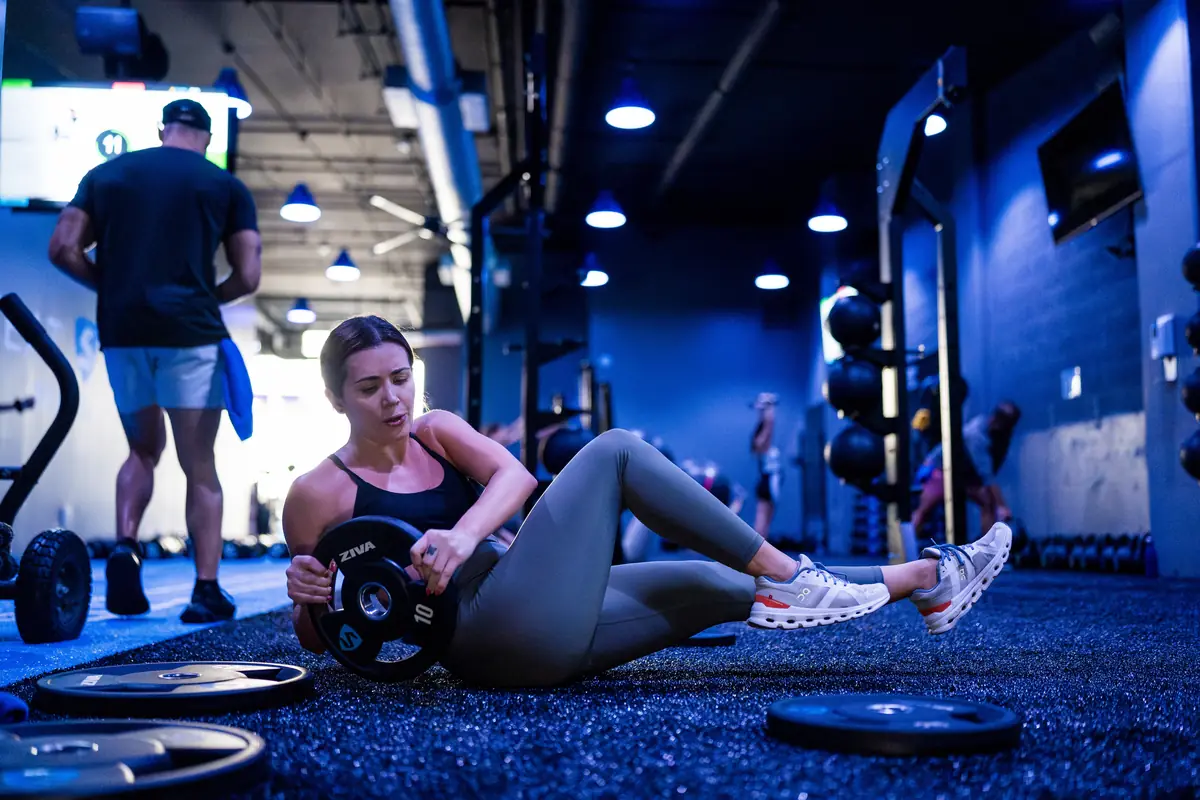
One option is to complete more controlled repetitions or hold an exercise slightly longer. If your plank becomes easier while maintaining good technique, you can gradually increase the amount of time you hold the position.
You can also progress to a more difficult exercise variation. A modified plank can eventually become a standard plank. A basic dead bug or bird dog can become more challenging as you increase the amount of movement while keeping your torso controlled.
Adding another set is another option. Someone performing one set may eventually progress to two or three sets once the exercise feels more manageable.
Resistance can also increase the challenge when appropriate. You do not need additional weight while you are still learning an exercise, but it can become another progression option as you become stronger.
Progress can also show up through better technique. Moving more smoothly, maintaining a stronger position, or completing each repetition with greater control are all signs that you are improving.
Change one part of your ab workout at a time and continue prioritizing technique as the exercises become more challenging.
How Does SWEAT440 Help You Build a Stronger Core?
Building a stronger core does not mean you need to design a separate ab workout every time you train. Core strength can develop as part of a balanced routine that also challenges your upper body and lower body.
At SWEAT440, structured 40 minute, coach led workouts give you a clear training plan when you arrive. Core exercises can be incorporated alongside other strength movements, allowing you to train your midsection as part of a complete workout.
Coaches can provide guidance and modifications when appropriate. A beginner might use a simpler plank or dead bug variation, while someone with more experience can increase the challenge as their strength and control improve.
Your core also contributes during many exercises that are not specifically labeled as ab exercises. Squats, rows, presses, lunges, and other movements require you to keep your torso controlled throughout the exercise.
Building core strength comes back to the same principles that support the rest of your training: consistent effort, appropriate difficulty, good technique, and gradual progression.
Final Takeaway: Build a Stronger Core With a Consistent Ab Workout
An effective ab workout does not need dozens of exercises. Planks, dead bugs, reverse crunches, and bird dogs can give beginners a practical way to train stability, controlled movement, and coordination.
Start with exercises that match your current ability and focus on technique before trying to make them harder. As your strength improves, you can gradually increase repetitions, hold time, exercise difficulty, or resistance.
Consistency matters more than trying to train your abs every day. For many beginners, two to three focused core sessions each week can fit naturally into a balanced strength training routine.
At SWEAT440, structured 40 minute, coach led workouts give you a clear plan while allowing you to train your core as part of complete strength training. You can focus on moving with control, choosing the right level of challenge, and continuing to build strength over time.
Ready to put those principles into practice? Book a SWEAT440 class and experience a structured workout designed to help you train with purpose and keep progressing.
Frequently Asked Questions About Ab Workouts
What is the best ab workout for beginners?
A simple beginner ab workout can include planks, dead bugs, reverse crunches, and bird dogs. These exercises challenge the core in different ways while giving beginners room to adjust the difficulty and focus on control.
How many ab exercises should you do in one workout?
You do not need a large number of exercises. Three to five purposeful movements can provide a practical starting point when they challenge different aspects of core strength and can be performed with good technique.
Can you do an ab workout every day?
You do not need to train your abs every day to build core strength. For many beginners, two to three focused sessions each week can provide a practical starting point while allowing recovery between challenging workouts.
Are crunches good for your abs?
Crunches can strengthen the abdominal muscles and can be part of an effective routine. They work best when combined with exercises such as planks, dead bugs, and bird dogs that challenge the core in other ways.
Do you need equipment for an ab workout?
No. Many effective core exercises, including planks, dead bugs, bird dogs, and reverse crunches, can be performed using body weight. Resistance can be added later when appropriate.
How do you make an ab workout harder?
You can gradually increase repetitions, hold positions longer, add another set, progress to a more challenging exercise variation, or add resistance when appropriate. Increase the difficulty gradually while continuing to prioritize technique.
Book your first class free and experience the difference.